Reducing plastic use in Richmond
Plastic is widely used, but too much of it, especially single-use plastic, harms the environment.
Why plastic reduction matters
Plastic can take hundreds of years to break down and can turn into microplastics that pollute soil and water.
Plastic has a high carbon impact because it is made from mined oil, producing it creates a lot of emissions, as does burning it if not recycled, and continued use increases demand for fossil fuels.
In Richmond, plastic pollution can affect the River Thames and local waterways. Littered plastics can enter the river, harming fish, birds and other wildlife that may swallow or become tangled in it. Reducing plastic waste helps protect our parks, green spaces and local biodiversity.
Our commitment
Richmond is leading work across London on plastics through the One World Living climate programme. This focuses on reducing consumption based emissions and through eliminating plastic use as a priority, and then ensuring any remaining plastics are reusable, recyclable or compostable wherever possible. Read more about our work on this here.
As part of this, the Council has signed the One World Living Single-use Plastics Pledge. This commits us to eliminate problematic single-use plastics and transition to reuse in council operations and services by 2030.
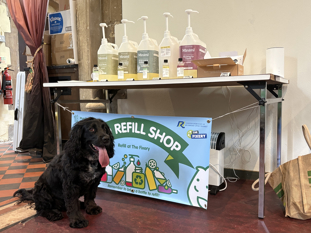
We are also supporting communities and businesses to reduce plastic use, increase reuse and expand refill options across the borough through our new circular economy hub called The Fixery. Here you can swap share and repair your items, and refill your household cleaning products at our refill shop.
A simple way to think about it
Use this order of priority:
- Refuse what you don't need
- Reduce what you use
- Reuse as much as possible
- Recycle what is left - check what plastic you can recycle
Recycling in Richmond
Richmond upon Thames currently recycles around 41% of household waste, including composting. See our current recycling rates and how we compare to other boroughs.
Although this is higher than many parts of London, there is more to do. Improving how we reduce, reuse and recycle plastics is a key priority for the borough.
Tips for residents
Reducing plastic is often more effective than recycling.
Everyday habits
- Carry reusables - keep a reusable water bottle, coffee cup and shopping bag with you to avoid single-use items when you are out
- Refuse what you don't need - say no to plastic straws, cutlery, sachets and free promotional items at events. Businesses must not supply certain single-use plastic items in England, except for some exemptions. Read more
- Plan ahead - Make your own lunch to take out in a container and bring containers for takeaway food or leftovers where possible
- Borrow items instead of buying, you can do this at Twickenham Library of Things
Food and shopping
- Choose loose fruit and vegetables instead of pre-packaged items
- Buy in bulk from refill shops for dried foods, cereals and household products
- Switch to refillable cleaning products using local refill stations
- Choose alternative packaging, such as glass, metal or cardboard, where possible
- Use a milk delivery service that collects and reuses bottles
At home
Swap common plastic items for longer-lasting alternatives, for example:
- Refillable cleaning bottles instead of disposable sprays
- Bar soap, shampoo bars and refill pouches
- Reusable food containers instead of cling film
- Switch to plastic free sponges and cleaning cloths
- Reusable cotton pads and buds (normal ones contain plastic)
You can also:
- Avoid fast consumption: buy fewer, better-quality items that last longer
- Repair instead of replace using local repair cafés or services
Clothing and personal care
- Avoid synthetic fast fashion, which can release microplastics when washed
- Use a microfibre filter or washing bag to reduce microplastics entering water systems
- Choose refillable toiletries and avoid miniature travel-sized plastics
Packaging and products
- Review your packaging and remove unnecessary plastic layers
- Switch to reusable systems, such as returnable containers or refill options
- Use materials that are widely recyclable, avoiding mixed plastics where possible
- Avoid ‘compostable’ plastics unless a suitable collection route exists, as these often cannot be processed in standard systems
Tips for businesses
There are lots of things businesses can do to reduce plastic use.
Workplace practices
- Remove single-use plastics from kitchens, meetings and events (cups, cutlery, bottled drinks)
- Install water refill stations for staff and customers
- Buy in bulk to reduce packaging waste
- Work with suppliers to minimise packaging across your supply chain
- Communicate these intentions internally
Customer-facing actions
- Encourage customers to bring their own containers or bags. There are now bans and restrictions on single use plastics - businesses must not supply certain single-use plastic items in England, except for some exemptions. If you break the law, you could be fined and ordered to cover the cost of the investigation
- Offer discounts or incentives for reusable cups or containers
- Clearly label recycling and waste bins to improve recycling quality
Tips for schools and community groups
Advice for schools and residents in the community.
Schools
- Promote reusable lunch boxes and water bottles
- Avoid single-use plastics in school events and catering
- Set up eco-clubs focused on waste reduction and sustainability
- Use refillable art and cleaning supplies where possible
- Educate pupils about plastic pollution and its local impact
Schools can contact us for advice.
Community action
- Organise or join litter picks to prevent plastic entering rivers and green spaces
- Share, swap or reuse items through local groups or events
- Encourage plastic-free events using reusable or compostable alternatives
- Support local refill and reuse businesses - The Fixery works with schools to host pupils to run the eco refill shop. You can get in touch about The Fixery
Reduce, reuse, refill and repair
There are many local organisations and businesses that can help you reduce plastic.
Community and Council initiatives
- Visit The Fixery at Grove Gardens Chapel - a repair, reuse and refill hub where you can fix items, refill cleaning products and swap clothes which reduces waste
- Find a local Repair Café - volunteer-led repair sessions for household items
- Find a local Restart Party - Community run repair events for electricals and clothing
- Check community reuse and recycle schemes in Richmond

Refill and zero-waste shopping
These options help reduce single-use plastic by encouraging reuse and refill.
- Local refill shops and services listed by Green Richmond, including refill groceries, toiletries and cleaning product
- Refill Larder, Teddington - a bulk food and refill store
- The Fixery - refill household Miniml branded cleaning products, bring your own bottle
- Friends of the Earth guidance on living plastic free
- Green Richmond’s advice on reducing and reusing
How to dispose of plastics
Plastic bottles, pots tubs and trays should all be recycled but around half of them still end up in Richmond’s dustbins. There’s also a lot of plastic bags and packaging films in local dustbins.
Most of these should currently be recycled at larger supermarkets, but we expect to add them to the mix of materials we collect from local households every week next year.
At home
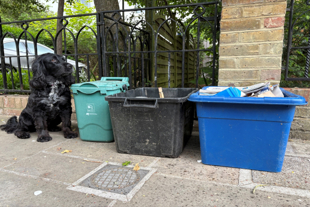
- Find out how to recycle your plastics in your black box at home, and check our guidance for flats
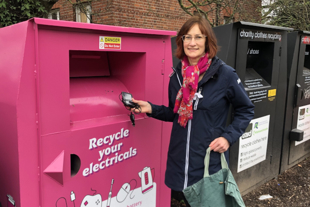
- Find out where to recycle electrical items
You can also visit Townmead Road Reuse and Recycling Centre to get rid of any additional materials and check your collections and services.
Businesses
Businesses must separate recyclable materials, including plastics, from general waste. Check our commercial waste guidance.
Schools
Please separate your recycling. Check our guidance for schools. You can contact us for advice.
More information
You can find out more about waste and recycling services in Richmond.
Up to: Climate and nature
Updated: 18 August 2026