Nutrition and food education
According to the independent review, National Food Strategy report published in July 2021, the government should focus on establishing effective food education as part of the wider food system.
The report highlights that effective cooking, and nutrition education plays an important role in the food system and can help prevent obesity and poor health later in life. In response, the government published a Food Strategy for England, which sets out a narrower focus on some of the recommendations including healthier sustainable diets.
National guidelines
Department for Education (DfE) guidelines state that cooking and nutrition should be part of the Design and Technology curriculum. Key stage 1 to key stage 3 pupils should be taught how to cook and apply the principles of nutrition and healthy eating through their education.
Food teaching guidelines in primary and secondary schools offer a framework of knowledge and skills that is required of schools that teach children about food.
Resources for schools
Key resources are available that schools can use to teach cooking and nutrition effectively. They are based on the UK’s healthy eating model called The Eatwell Guide.
The guide explains the different types of foods and drinks to eat, and in what amounts, for a healthy and more sustainable diet.
Richmond Public Health
Public Health provides schools participating in the Healthy Schools programme with bespoke free resources to support teaching on the Health Education curriculum and the UK Eatwell Guide.
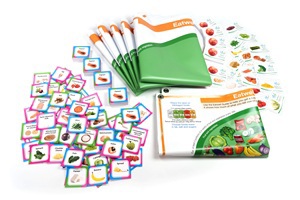
These resources, together with the healthy eating assembly and classroom workshop PowerPoint, are suitable for Key Stage 2 pupils and above. To find out more about our support to schools contact publichealth@richmond.gov.uk.
Food - a fact of life
The Food - a fact of life programme is an educational side of the British Nutrition Foundation.
The programme offers teachers guidance on good practices for teaching food and nutrition to primary students, secondary students, and students with additional needs. The programme also provides free resources for teaching children and young people aged 3 to 16 about food, cooking, and healthy eating.
This includes:
- A dashboard to help with lesson planning
- Free cooking curriculum resources for different age groups from 3 to 16, including pupils with additional needs
- Lesson plans, presentations, videos, activity packs, guides and food cards
- Whole school food resources, including policy templates
- Support for planning and setting up a growing club
- Food life skills to help students learn about cooking while considering healthy eating, food hygiene and safety, and budgeting
- Activities and resources to engage with parents and carers
- Professional development tools, including virtual practical workshops for schools
- Webinars on healthy eating topics including tackling food waste, sustainable diets and allergies
- Sustainable healthy food
For effective assessment and monitoring purposes, schools can use:
- Food teaching progression charts age 5 to 11
- Core competencies for children and young people age 5 to 16
- Primary food projects for ages 5 to 11 (Programme of study)
Each programme of study comprises of a six-week scheme of learning, lesson plans, and resources. These are all tailored to meet primary school food curricular around the UK, whether you teach food in cooking and nutrition, technologies, or design and technology.
British Nutrition Foundation
Reliable information on nutrition that is grounded in science is available from the British Nutrition Foundation charity.
This includes:
- Healthy Eating Week resource packs to help schools run the annual event in September. The resources can be adapted for use throughout the year
- Looking at labels resources to teach children how to read food labels and make healthy choices
- Get portion wise enhances understanding of the types and quantities of foods needed for a healthy, balanced diet for ourselves and our families
- The Eatwell Guide summarises key information about each food group
School Food Matters
School Food Matters is a charity campaigning for better access to sustainable healthy food during school time and quality food education.
They are involved in many school projects including:
- Nourish
- Fresh Enterprise
- Garden Gurus
- Young Marketeers
- Know your Onions
- Honeybee Programme
- School Garden Grants
Food growing
Teaching children about the origins of food and how to grow their own fruit and vegetables is an important part of food education. The following websites offer resources and support to integrate growing activities into the curriculum:
- Garden Organic - School gardening resources: Visual guides on planting, caring for seedlings, and constructing beds, along with helpful posters and resources for beginners
- Garden Organic - School growing past projects: Case studies and publications on setting up growing activities to teach children about sustainability and climate change
- Trees for Cities - Food growing resources: A range of resources to supplement the curriculum, including booklets, videos, and printable visuals for sharing with parents
- Food - a fact of life - Guide to growing club: Tips and resources to help you get started with growing activities
- Countryside Classroom: Resources, places to visit, and school support related to food, farming and the natural environment
- The Garden Classroom: Resources and training for teachers to connect urban children and families with nature
- School Food Matters - Gardening resources: Tips and resources to help you start and maintain a garden, and to support biodiversity
Other resources
A range of other resources are also available from national organisations, including:
- TasteEd: Offers teachers support, training and resource to deliver a range of simple taste education lessons tailored to the English National Curriculum and parents’ TasteEd videos
- School food project: A national initiative supporting schools to deliver high quality food and meaningful food education, in line with the new School Food Standards
- Oak National Academy: Offers cooking and nutrition resources and lesson plans for primary school aged pupils free to use
- See & Eat ebooks: Show the journey of different vegetables from farm to fork. Research shows that pre-schoolers are more likely to eat vegetables if they recognise them and understand where they come from
- Belly bugs: A school programme introducing children to their beneficial gut microbes or 'Belly Bugs'. It offers free, curriculum linked resources and lessons for EYFS, KS1 and KS2, covering subjects like maths, English, science, art, DT and PSHE health and wellbeing. Every lesson is science backed and includes a teachers booklet and plan
- E-Bug: A free educational resource about micro-organisms and the spread, prevention and treatment of infections
- Eating well recipe book: Provides healthy recipes for 5 to 18 year olds, suitable for sharing with parents or using in cookery lessons
- School Zone: Offers curriculum linked resources and inspiration for teaching children about healthy eating and being active
- NHS Food scanner app: Helps identify healthy alternatives to family favourites
- NHS healthy recipes: A hub with tips for breakfasts, packed lunches, dinners, and desserts
- BEAT: The UK’s eating disorder charity, offering support to individuals that suffer from eating disorders and their carers. They also provide resources and Schools Professionals Online Training
- AYPH: Developed a lesson plan for KS3 to KS5 students called 'Fair and Equal Opportunity to Enjoy Good Health'
Up to: Healthy schools
Updated: 16 June 2026