Flash flooding: Build your flood resilience
27 August 2026
Flash flooding can happen quickly and with little warning, particularly during intense thunderstorms. Understanding the risks and taking a few simple steps in advance can help you protect your home, your belongings and keep you safe.
This update explains what flash flooding is, why the risk can increase during intense rainfall, and what you can do to prepare.
About flash flooding
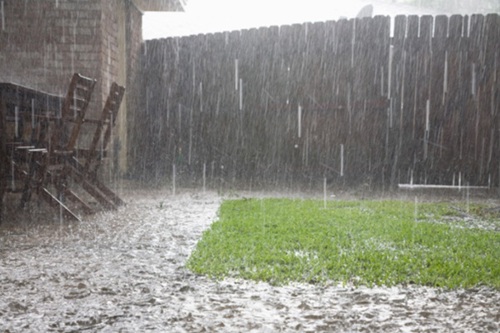
Flash flooding occurs when intense rainfall falls faster than the ground, drains and sewers can absorb it, causing water to build up quickly on roads, pavements and other hard surfaces. It can happen far away from rivers, streams and other waterbodies and develop within minutes of heavy rain. Thunderstorms over the warmer months can be particularly intense bringing large amounts of rainfall over a short period.
The impacts of flash flooding were seen across London in July 2021, when more than 2,000 properties were flooded and Kew recorded twice its average July rainfall in a single day.
Why flash flooding matters
Despite significant work to improve flood resilience across London, intense rainfall can still cause localised surface water flooding. Thunderstorms in June 2026 brought heavy rainfall to parts of London, including Richmond upon Thames, demonstrating how quickly conditions can change during storms.
During prolonged dry weather, hard or compacted ground can absorb rainfall less effectively. When intense rain arrives, more water can run over the ground surface and onto roads and other hard surfaces, potentially overwhelming drainage systems and increasing the risk of localised flooding.
How to reduce the impact of flooding
There are simple steps you can take to prepare:
- Report flooding to help improve understanding of local flood risk
- Sign up for weather warnings and stay informed during periods of heavy rainfall
- Create a household flood plan and prepare an emergency flood kit
- Know how to safely turn off your gas, electricity and water supplies
- Check that your building and contents insurance covers flooding, and keep important documents and valuables somewhere safe
- Where available, consider flood protection measures such as door barriers and air brick covers. In an emergency, plastic sheeting and duct tape may provide temporary protection
- Move valuables, important documents and electrical items to higher levels
- Avoid contact with floodwater wherever possible
- Never walk, cycle or drive through floodwater. As little as 30cm (1 ft) of moving water can be enough to float a car
For further information on preparing for flooding, including creating a flood plan and protecting your home, visit:
Report flooding
The Richmond Local Lead Flood Authority (LLFA) uses information reported by residents to help understand where flooding occurs and plan and deliver flood resilience and flood alleviation projects where they are needed most.
If you experience flooding, please report it after the event. Incidents involving public sewers should also be reported to Thames Water.
For any further information or advice, contact flooding@richmond.gov.uk.
Share this
Up to: August 2026
Updated: 27 August 2026